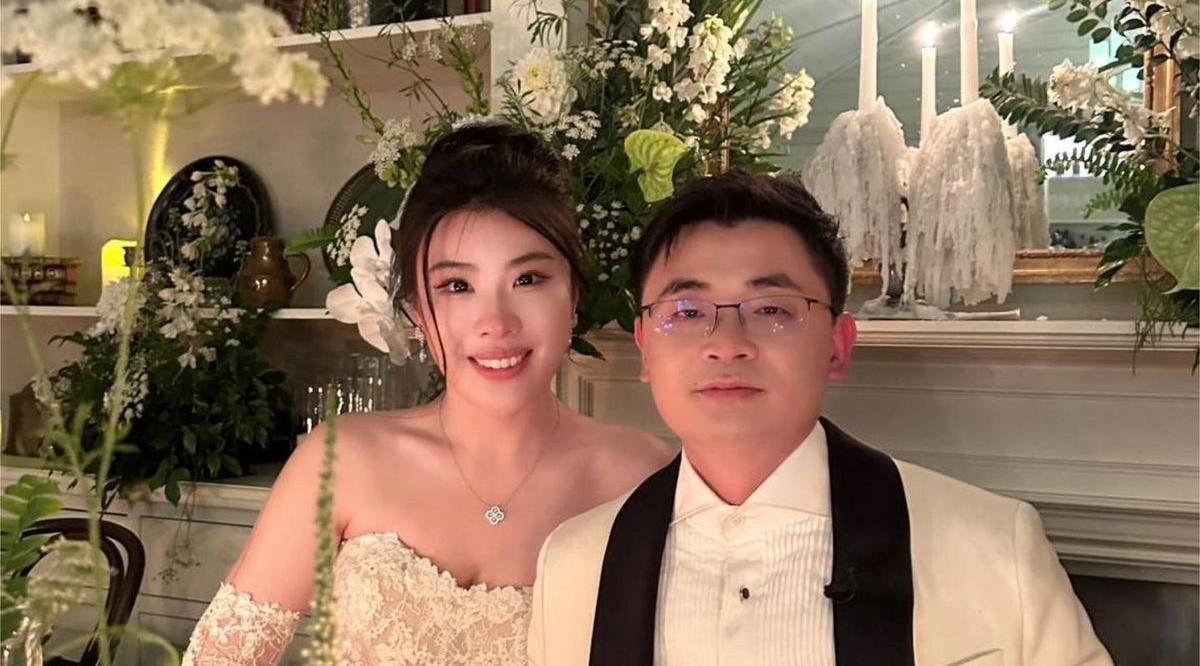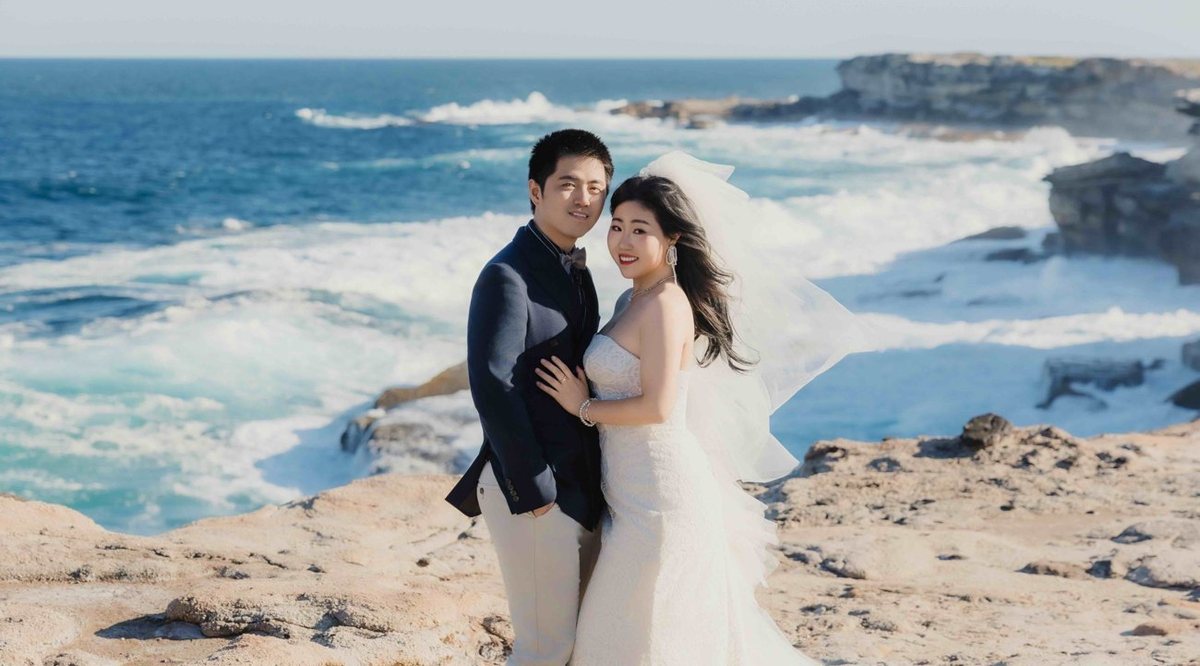

A Saturday afternoon at a café in Midtown Manhattan. Two people say hello, order drinks, sit down, and for a few seconds nobody speaks. "What do you do?" "How long have you been in the US?" "Which part of the city do you live in?" Three questions, the other person politely asks the same three back, and then both of you look down at your cups.
Among the people in New York who come to us for a consultation, two lines come up again and again: "I always run out of things to say," and "I'm too reserved, people don't get to see the real me." Many of them are clear, capable communicators at work, yet a first date leaves them lost for words. On the way home they replay it: was I boring? Did they think I was dull?
Feeling nervous on a first date is normal, and conversation is something you can learn. Below we draw on several relationship science studies to look at why first meetings feel awkward, which topics are easy to talk about, and what makes a second date more likely.
They probably liked you more than you think
In 2018, psychologists Erica Boothby, Gus Cooney and colleagues published a set of studies. They had strangers talk for a few minutes, then asked each person separately: how much did you like your partner, and how much do you think they liked you? The result was consistent. Most people underestimated how much the other person liked them. The researchers called this the "liking gap". Among roommates in first-year college dorms, the gap lasted for most of the academic year.
The reason is not hard to see. While we talk, we are busy finding fault with ourselves: that last line was silly, why did it go quiet again. They're probably not grading you. They are busy worrying about themselves. Psychologist Thomas Gilovich and colleagues called this the "spotlight effect": we overestimate how much others notice what we do.
So the first piece of advice is simple. Don't rush to conclude that you did badly. The awkwardness you felt probably mattered far less to the other person.
Why first meetings feel awkward
The first reason is that the date turns into an interview. Job, year you arrived, neighbourhood, immigration status, whether you own a home: each question is reasonable, but strung together they feel like a background check. The person asking wants to get to know you quickly. The person answering feels scored, and both grow more guarded.
The second reason is switching topics to avoid silence. In 2017, Karen Huang and colleagues at Harvard Business School analysed a large set of conversations, including recordings of speed dates. People who asked more questions were better liked, and in speed dating, people who asked more questions were more likely to get a second date. The effect was strongest for follow-up questions, the ones that build on what the other person just said. Follow-ups work because they show you are listening and understood. What matters is asking with care, not asking a lot.
The third reason is staying on the surface. Weather, traffic and whether the food is good are safe topics, and rarely memorable. In 2022, psychologists Michael Kardas, Amit Kumar and Nicholas Epley ran 12 experiments in which strangers discussed weightier questions, such as "For what in your life do you feel most grateful?" Participants expected these conversations to be awkward. Afterwards they found them more comfortable than expected and felt more connected. People consistently underestimated how interested others were in hearing something real.
What relationship science says about "clicking"
In 1988, psychologists Harry Reis and Phillip Shaver proposed the intimacy process model: closeness grows from two things happening in turn. One person shares something about themselves, and the other responds in a way that makes them feel understood, valued and cared for. Later research put particular weight on the second part: feeling understood and responded to. The sense that "we just get each other" comes largely from feeling that the other person is really listening and gets what you mean.
In 2013, Daniel McFarland and colleagues at Stanford analysed recordings of nearly a thousand four-minute speed dates to see what people who clicked actually talked about. When men expressed understanding and sympathy for what women said (for example, "That must have been tough"), women were more likely to report clicking. When the conversation centred more on the woman, both people were more likely to feel they had clicked.
Another classic study comes from psychologist Arthur Aron. In 1997, Aron and colleagues had pairs of strangers spend 45 minutes taking turns answering a set of questions that moved gradually from light ("What would constitute a perfect day for you?") to more personal. Compared with pairs who only made small talk, they felt noticeably closer. Research by Susan Sprecher and colleagues in 2013 also found that trading back and forth builds more mutual liking than one person talking at length and then the other.
So a first date doesn't need a stack of prepared stories. Share a little about yourself at a time, respond with care, and the conversation will go deeper on its own.
Five topics that make a first date more interesting
What do you do, how long have you been in the US, how do you spend your weekends: almost everyone asks these on a first date, and the conversation often stalls right after. Nothing is wrong with them. They are just so common that the other person has answered them many times, and the answers rarely show what makes someone different. The five topics below add a bit of play and surprise. They are easier to talk about and more likely to make you memorable.
Make a guess, then let them reveal
"I'm guessing you're the type who books restaurants ahead for the weekend?" "You look like someone who runs in Central Park in the morning. Am I right?"
Based on what you notice, offer a kind and specific guess. If you're right, they feel seen. If you're wrong, even better: they'll laugh, correct you and tell you a story along the way. It feels more like a game than "What do you do on weekends?" Guess about personality and habits, never income or age.
Ask this-or-that instead of open questions
"If you suddenly got tomorrow off, would you walk all over Manhattan or sleep in until noon?" "When you travel, are you a planner or a see-where-the-day-takes-you person?"
Choices are easy to answer, and "Why?" follows naturally. A few rounds in, you see their pace of life and whether they lean toward planning or spontaneity, both of which matter for how you'd get along. Answer them yourself too, and you'll find a rhythm.
Share something funny that happened to you
"What's your most embarrassing moment since moving to New York?" "What was the last thing that made you laugh out loud?"
People who can laugh at themselves tend to put others at ease. In 2015, psychologists Laura Kurtz and Sara Algoe found that the more partners laughed together, the closer and more supported they felt. You don't need to tell jokes on a first date. One small, true, slightly embarrassing story is enough. Go first, and they'll often share one back.
Find three things in common in three minutes
"Let's play a quick game: in three minutes, find three things we both love, or both can't stand."
Both hate crowded subways on rainy days, both secretly rewatched the same old drama, both always order the spicy hot pot broth. In 2008, Matthew Montoya and colleagues reviewed more than 300 studies and found that feeling "we're quite alike" is reliably linked to attraction. If you find three, you have plenty to talk about. If you don't, you can laugh about it together.
A "what if" with a picture in it
"If you could text your just-arrived-in-America self, what would you say?" "On an ordinary Saturday ten years from now, what do you hope you're doing?"
These are lighter than "What are your plans for the future?" yet lead naturally to values and life direction: what matters to them, where they want to live, what kind of life they hope for. Ask once you've warmed up a little, and the answers are often more honest than you'd expect.
If you can, don't spend the whole first date sitting across a table. Wander through Chelsea Market, see a small exhibition, or take a loop around Bryant Park. In 2000, Arthur Aron and colleagues found that couples who did new and slightly challenging things together felt more satisfied with their relationship. That study looked at established couples, but the idea applies to new acquaintances too: sharing something new gives you more to talk about than a round of questions and answers.
Some topics can wait: income and assets, details about exes, when to marry and how many children, how far along their immigration paperwork is. They all matter, but on a first date they make people feel evaluated. Once there is some mutual interest, these conversations come much more naturally.
Three ways to keep a conversation going
1. Ask one more follow-up. If they say "I've been learning to ski," don't reply "Me too, I've been meaning to" and change the subject. Ask: "What got you started?" "How many times did you fall on your first day on the slopes?" One more question, and they know you're listening.
2. When they share good news, be glad for them. Psychologist Shelly Gable studied how partners respond to each other's good news. The responses that build closeness are genuinely happy for the other person and curious to hear more. A flat "that's nice", or turning the topic straight back to yourself, works far less well. The same holds on a first date. If they mention they just passed an exam, "Congratulations! How long did you prepare? What's the first thing you'll do now it's over?" invites more than "I took that exam too." When they mention something hard, start with understanding, as in the research above.
3. Take turns. When they ask you something, answer and pass the question back. When you share something, leave space for them to share too. If only one person asks questions, it becomes an interview. Trading back and forth is how two people grow closer.


After the date, don't just ask "Was there a spark?"
Many people judge a first date by one question: was there a spark? But remember the liking gap. On a first meeting, our read on ourselves and on the other person is not very accurate. Nervous people and people who take time to warm up often don't show their best side the first time. They open up on the second or third meeting.
We suggest asking yourself three questions instead. Was I relaxed or tense around them? Was there a moment when we laughed together, or talked about something that really matters to us? Was there anything that clearly made me uncomfortable? If nothing was clearly wrong and you are a little curious to know more, it's worth meeting again. People who warm up slowly sometimes need a few meetings to open up.
IDO's relationship matching model: taking pressure off the first date
One reason first dates turn into interviews is that both people carry a checklist and want to tick it off fast. IDO's relationship matching model looks at part of it before any introduction. For every introduction, the matchmaker considers four dimensions:
Background
Age, education, work, city
Members go through identity verification when they join, and your matchmaker has already got to know each person's background in an in-depth interview. On the date, you don't need to go through it item by item, and can spend the time getting to know the person.
Values
Family-oriented, achievement-oriented, soulmate
Some people care most about a stable family life, some about career and moving forward side by side, some about emotional connection and being deeply understood. Through our values assessment we learn your main orientation, then look at whether the other person's fits with yours. Those "what if" questions on a first date are a way of sensing this too.
Attachment style
How much reassurance you need, how you handle distance
Some people need frequent reassurance; others need more space. The matchmaker looks at each person's pattern and at how the two fit together, to reduce the chance of a pursue-and-withdraw cycle.
Life path
City, career, family plans
Staying in New York long term or keeping options open, when you hope to start a family. When the broad direction lines up, there's no rush to spell everything out on the first date.
A meeting is arranged only when both people agree. Before the date, the matchmaker gives you a sense of who you are meeting; afterwards, you can debrief together and decide whether to meet again.
IDO RELATE: conversation is a skill you can practise
Personality plays a part, but following up, responding and sharing are all skills you can practise. IDO RELATE™ is our 12-session relationship programme designed for Chinese singles living abroad, organised around five stages of finding a partner:
- ClaritySeparate what excites you from what you actually need
- ChoosingRead interest accurately and judge fit
- First datesTalk naturally and show who you are
- Moving forwardExpress interest and step out of ambiguity
- BuildingHandle disagreement and create a steady way of being together
The third stage, First dates, is all about first meetings: how to open, how to follow up, how to let the other person see the real you. What you learn is used on real dates, and you debrief with your matchmaker afterwards. See IDO RELATE for details.
IDO in New York
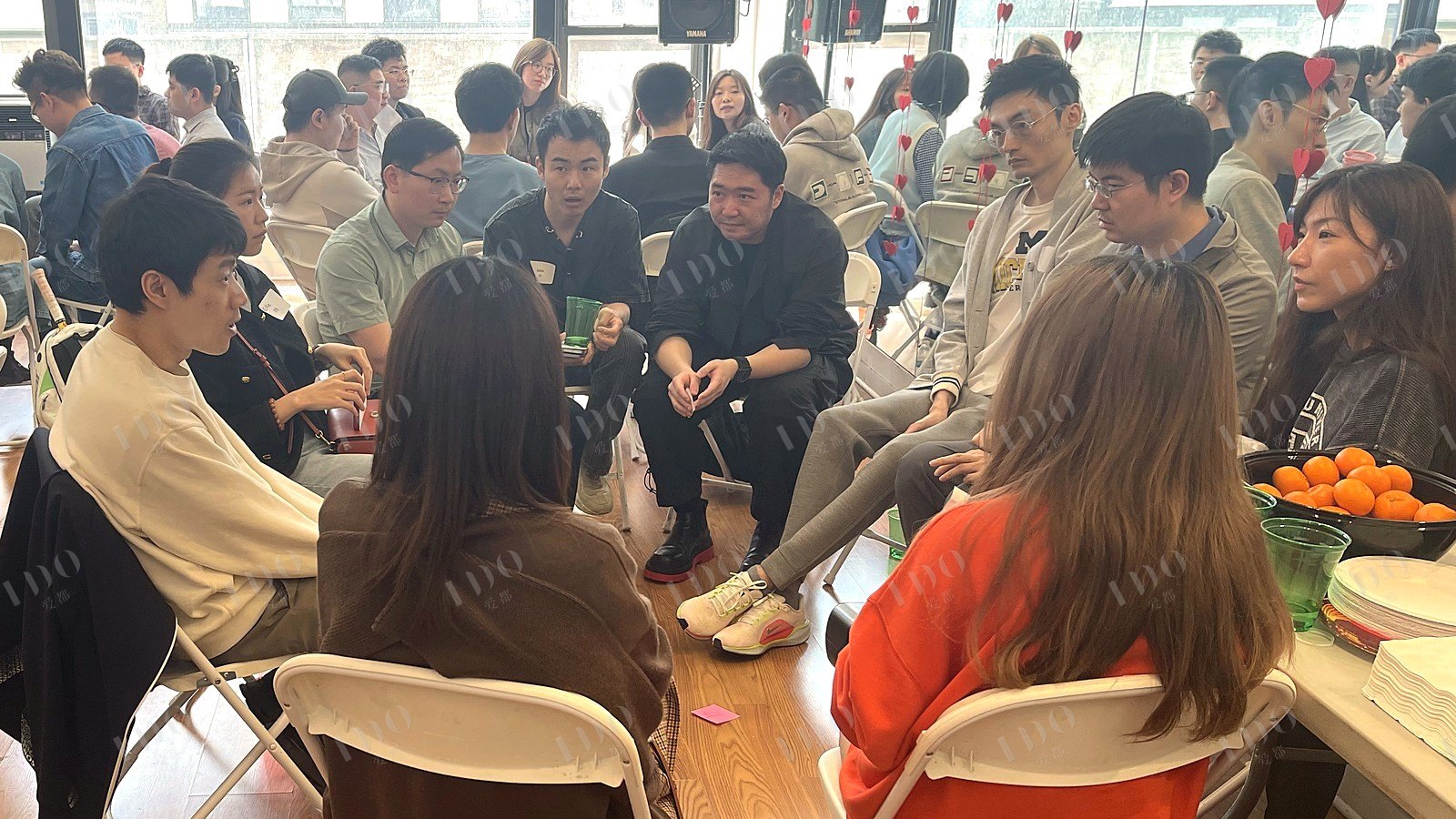
IDO has an office in New York. Book your consultation at least 24 hours ahead; evenings and weekends are available. There are member events in New York every month: dinners, speed dating, masquerade parties and blind date nights. Newcomers have a short interview and initial verification before signing up, so that the people who come are serious about finding a partner. Learn more on our New York page.
Before your next date, you don't need to memorise a list of topics. Three things are enough: ask one more follow-up, be glad for their good news, and take turns. After the date, you can also talk it through with your matchmaker.
Frequently asked questions
How long should a first date last?
One to two hours is usually comfortable: a coffee or a simple meal. If it's going well you can stay a little longer, but ending while you both still want to talk is better than ending when you've run out of things to say. It also gives you a reason to meet again.
What should I do if the conversation goes quiet?
A few seconds of silence is normal, and the other person usually minds far less than you think. Go back to something they mentioned and ask a follow-up, such as "You said you've been learning to ski, how did that start?" Building on what they said feels more natural than forcing a new topic.
Is it OK to ask about income or immigration status on a first date?
These things matter, but on a first date they tend to make people feel evaluated. Members who meet through IDO have gone through identity verification and the matchmaker has got to know both people's background, so the first date can be about getting to know the person. These conversations come more easily once there is some mutual interest.
I take time to warm up and never do well on first dates. What can I do?
Plenty of people take time to warm up. Research shows people consistently underestimate how much others like them after a first conversation. Think of two or three small stories you're happy to share, and ask more "why" questions on the date. Unless something is clearly wrong, a second meeting is worth giving each other.
How do I decide whether to meet again?
Don't only ask whether there was a spark. Ask yourself: was I relaxed or tense? Did we laugh together or talk about something that matters? Was anything clearly uncomfortable? If nothing was clearly wrong and you are a little curious, it's worth meeting again.
How do I book a consultation with IDO in New York?
IDO has an office in New York. Book your consultation at least 24 hours ahead; evenings and weekends are available. Book a one-on-one consultation on our website and a matchmaker will contact you to arrange a time.