For a Chinese single living overseas, finding someone to share a life with is often harder than it looks. Work takes up most of the week, social circles settle into familiar patterns, and family is usually several time zones away.
There are four common ways to meet someone: introductions from friends and family, matchmaking agencies, singles events and dating apps. People find partners through each of them. What sets them apart is who does the searching, how suitability is judged, and whether anyone supports you once you have met. This article compares the four side by side and explains the one-on-one dating coaching IDO has offered for several years, so you can see which approach suits you at this stage of life.
The four routes and one-on-one coaching compared
← Swipe to see the full table →
| Friends and family | Matchmaking agencies | Singles events | Dating apps | One-on-one dating coaching | |
|---|---|---|---|---|---|
| Who searches | Friends, relatives, elders | A matchmaker at the agency | You, at the event | You, online | A matchmaker, guided by your needs |
| Reach | Limited to their social circle | Depends on the agency's membership | Many people at once | Large pool, wide choice | The member pool, across cities and countries |
| Basis for matching | The introducer's instinct | The matchmaker's experience, mainly background | First impressions on the night | Photos and profiles | Relationship psychology and science, weighing personality alongside background |
| Verification | Relies on what the introducer knows | Depends on the agency's process | Depends on the organiser | Depends on the platform; some check only a phone number or email | A dedicated team checks ID; members sign a single-status declaration |
| After you meet | Mostly up to you | Mostly up to you | Up to you | Up to you | Your matchmaker gathers feedback from both sides and reviews it with you |
| Personal growth | Rarely addressed | Rarely addressed | Not addressed | Not addressed | Presentation, communication and how you relate |
| Best for | People with trusted connections | People who want someone to introduce them | People wanting a wider circle | People with time who like to take the lead | People serious about a long-term partner who want fewer detours |
1. Introductions from friends and family
This is the most traditional route, and the most reassuring. The introducer knows you both, someone can vouch for the other person's family and character, and the first meeting carries far fewer doubts.
Overseas, its limits are just as clear. Chinese social circles abroad tend to be built around classmates, colleagues, church or a sports team, and after two or three introductions you find yourself meeting the same few people. Also, when a date doesn't work out, few people tell a friend or relative the real reason, so the introducer has nothing to adjust.
Best for: people whose relatives or friends are well connected and willing to keep an eye out over time.
2. Matchmaking agencies
A traditional matchmaker (hongniang) usually works for an agency, selecting suitable candidates from its members according to your requirements. Having someone search on your behalf is more efficient than waiting for chance, and an experienced matchmaker often has a very good eye for people.
A matchmaker's expertise is experience and contacts. Relationship psychology, attachment patterns and communication in intimate relationships are professional fields most matchmakers have not studied in depth, and the role has never required it.
So at an agency, matches tend to be based mainly on age, occupation, family and appearance, so whether your personalities and values fit only becomes clear after you meet. When a date goes nowhere, the matchmaker can pass on the other person's comments but can rarely help you understand the reasons behind them. And once you begin dating, how to communicate and how to handle disagreement usually sit outside the service.
If you are considering an agency, it is worth asking first how members are verified and what the contract covers. This guide may help: How to tell if a matchmaking agency is legit.
Best for: people who know what they are looking for and mainly need more opportunities to meet someone.
3. Singles events
Singles parties, speed dating and outdoor gatherings let you meet many people at once, in a relaxed setting with less pressure than a one-on-one date.
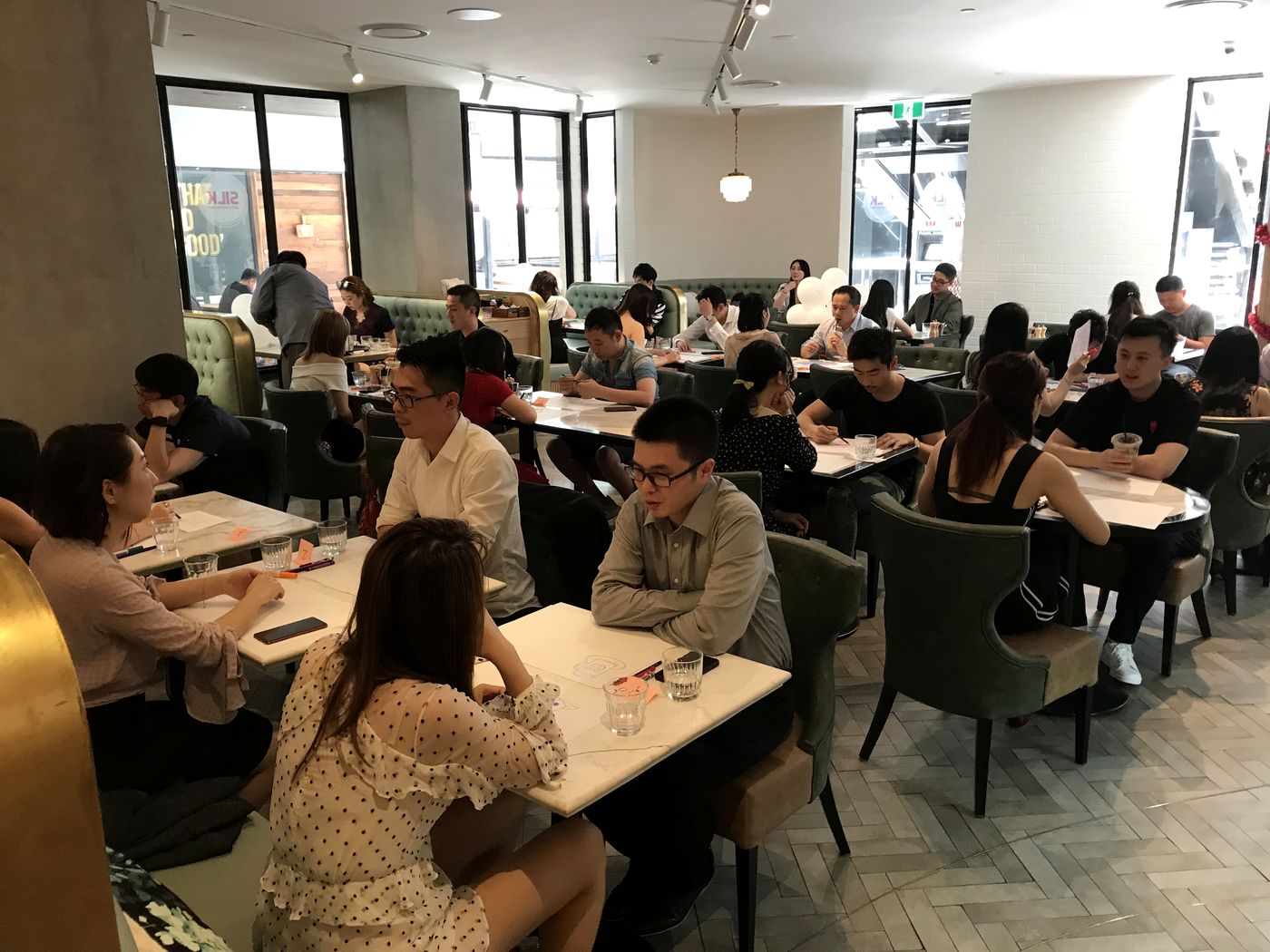

Their limitation is depth. In one evening you may talk to a dozen people for a few minutes each, which is rarely enough to know anyone. Guests also come with different intentions: some are looking for a partner, others simply want a night out. When choosing an event, favour those that interview and verify guests beforehand; the people who attend tend to be more serious.
My advice is to attend one or two events or groups regularly. As faces become familiar, trust builds naturally, and the people you click with start to appear.
Best for: people who want to widen their circle and enjoy a lively, informal setting.
4. Dating apps and sites
Apps offer wide choice, convenience and control over your own pace at little cost, and many couples have met this way.
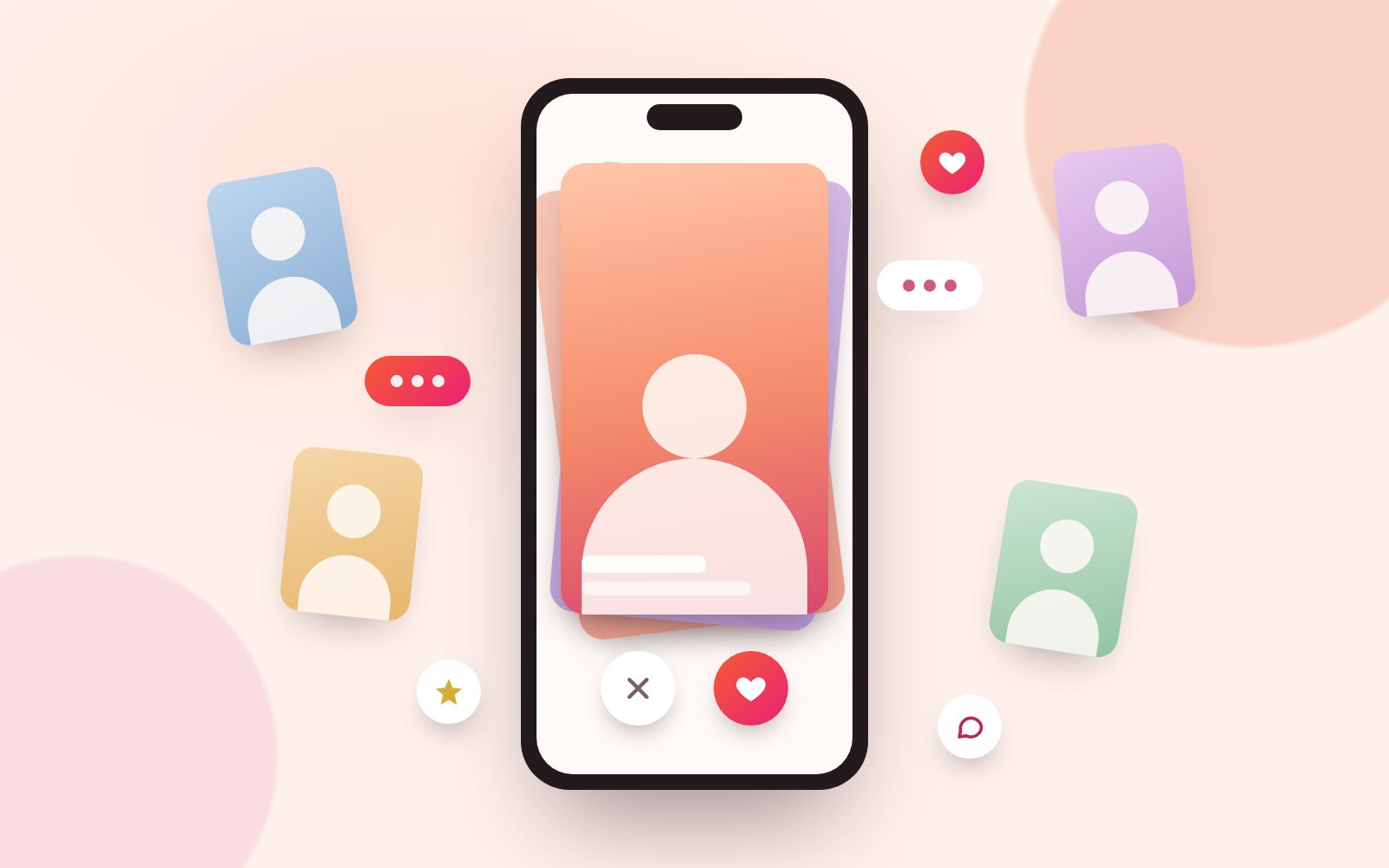
The trade-off is that all the screening falls to you. Browsing profiles, opening conversations, keeping them going and arranging to meet each take time and energy. People considering marriage and people chatting casually are mixed together, and profiles rarely show the difference. Whether a profile is genuine depends on the platform's verification; some check only a phone number or email, so take care before meeting.
If you use apps, my suggestion is simple: when a conversation is going well, meet for coffee within a week or two. The longer things stay online, the more you imagine, and the wider the gap when you finally meet.
Best for: people with time to spare who like to take the lead and want to meet many people.
One-on-one dating coaching
The four routes above mainly solve one problem: meeting people. Yet among the singles we have worked with, many are held back by something else.
From what I have seen over the years, finding a partner comes down to three things: opportunity, presentation and relationship skills. Meeting too few people is a question of opportunity. When dates go nowhere after the first meeting, the cause may lie in presentation or in how you connect. When relationships keep fading after a few months, it often comes down to the patterns two people fall into together.
One-on-one dating coaching works on all three at once. Its main difference from a matchmaking agency is its grounding in relationship psychology and science: matching considers personality and the way two people relate, as well as background. The process has five parts:
- Understanding where you are stuck. An in-depth interview about the life you want, the values you hold and the patterns that recur in past relationships
- Shortlisting. Your matchmaker shortlists members, and you meet only when both of you agree
- Presentation and communication. Specific guidance on presentation, communication and how you relate, based on your situation
- Reviewing each date. Your matchmaker hears from both sides, helps you understand the reasons, and agrees the next adjustment with you
- Ongoing support. Once you are dating someone, you still have a professional to talk things through with
Best for: busy people who are serious about a long-term partner, or who have tried other routes for some time without progress.
How to choose: three questions
What am I missing most? If you simply meet too few people, introductions, agencies, events and apps can all help. If dates rarely lead anywhere, or relationships never seem to last, you need someone to help you understand why.
How much time can I give each week? Events, apps and waiting for introductions all take time. If you are busy, leave the screening to a matchmaker and keep your time for the meetings that matter.
Do I want to find my own way, or have someone alongside me? Some people prefer their own pace; others want a professional beside them to avoid detours. Neither is wrong. It depends on your personality and your stage of life.
These routes are not mutually exclusive. Many of our members attend events and use apps while working with a coach.
How IDO works
IDO was founded in Sydney in 2018 and has offices in Sydney, Melbourne, Toronto, Singapore and New York. We specialise in one-on-one dating coaching.

- A formal interview: at our office or on Zoom, booked at least 24 hours ahead, with evenings and weekends available
- Four core questions: the life you want, the values you hope a partner shares, what past relationships have taught you, and what you cannot accept
- Member verification: a dedicated team checks identity documents, and members sign a single-status declaration
- A professional method: matching follows IDO's own relationship matching model, and some of our consultants are certified Relationship Coaches
- One-on-one follow-up: you meet only when both sides agree, and afterwards your matchmaker gathers feedback and reviews the date with you
- Monthly events: every city holds member events each month, another way to start meeting people
After you get together
Finding someone is only the beginning. Over time, any two people have habits to adjust to and disagreements to work through.
The American psychologist John Gottman has studied couples for more than forty years. He found that about two thirds of the disagreements between partners never fully go away, and that whether a relationship lasts depends largely on whether the two people can keep talking about them. That is why IDO's coaching continues into the dating stage: when disagreements come up, a coach is there to talk them through.
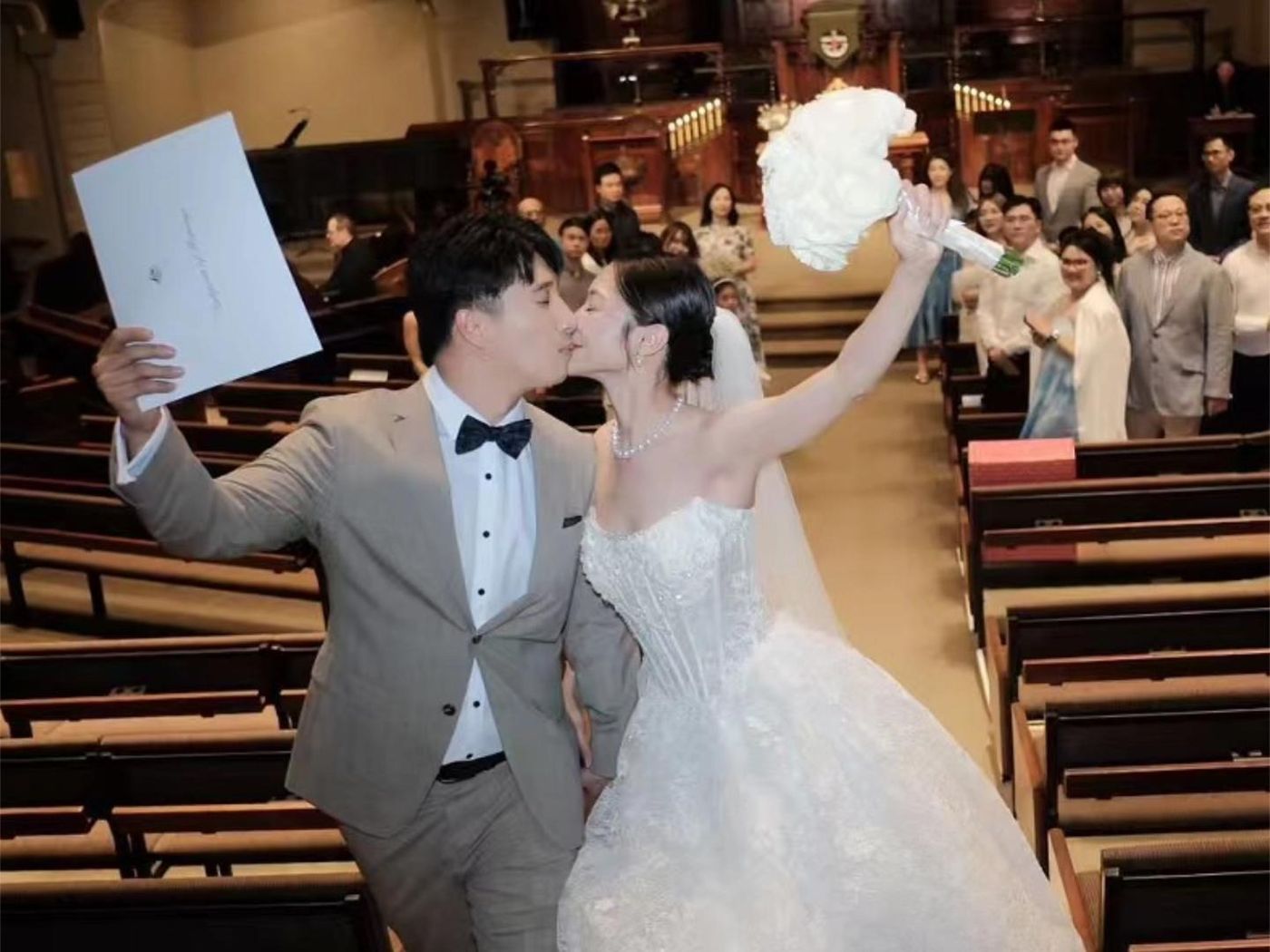
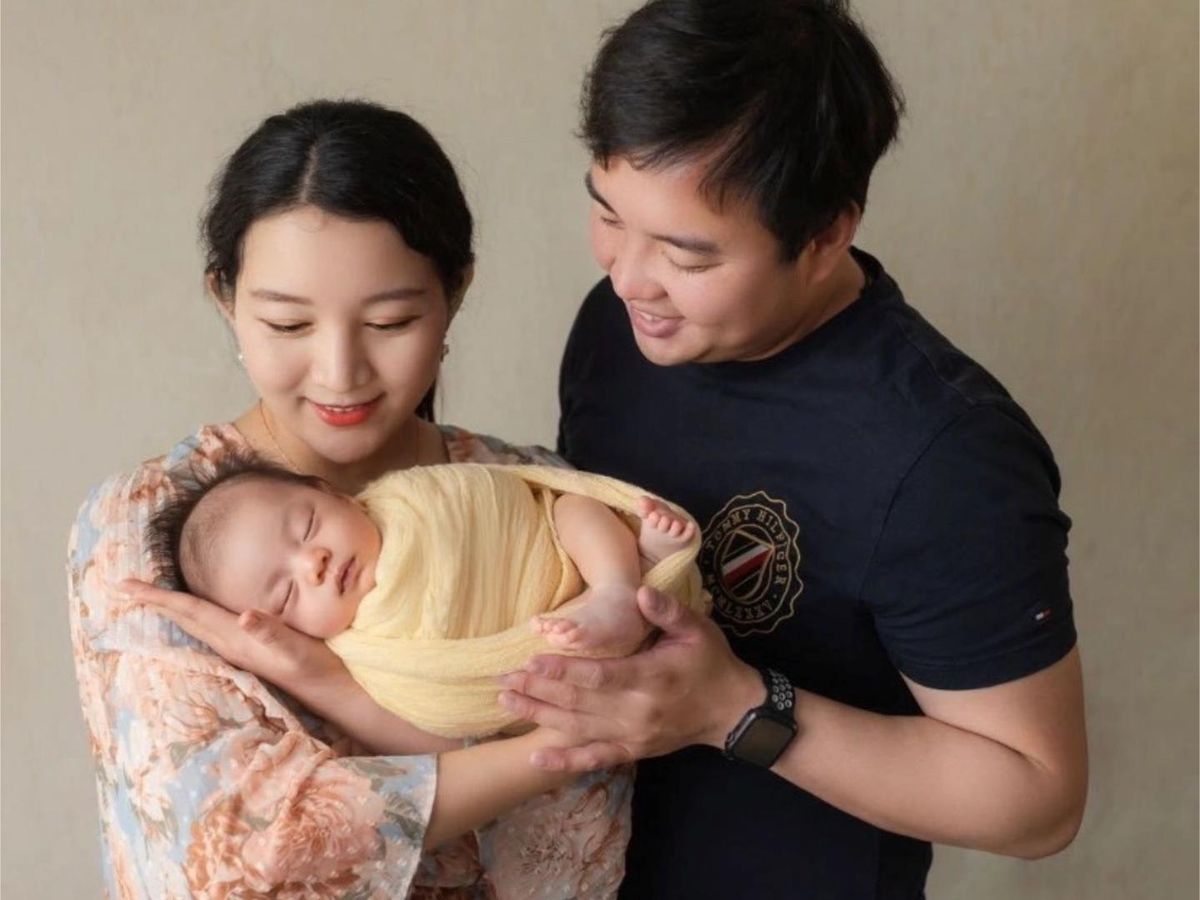
A stable relationship sets the tone of a family. Children learn how to love by watching their parents, and that influence often carries into the next generation. I have always felt that when we help someone find the right person, what is at stake is a whole family.
If you are still weighing these options, you are welcome to talk with an IDO matchmaker about how the service works before deciding.
FAQ
How is dating coaching different from a matchmaking agency?
A matchmaking agency introduces people mainly on experience and background. Dating coaching is grounded in relationship psychology and science: as well as matching, it helps you understand where past relationships stalled, offers guidance on presentation, communication and how you relate, reviews each date with you, and continues to support you once you are dating.
Can I still use dating apps while working with a coach?
Yes. The routes are not mutually exclusive, and many members attend events and use apps while working with a coach.
Are singles events worth attending?
They are very useful if you want to widen your circle. Choose events that interview and verify guests beforehand, and attend regularly; you are more likely to meet someone you click with than by going once.