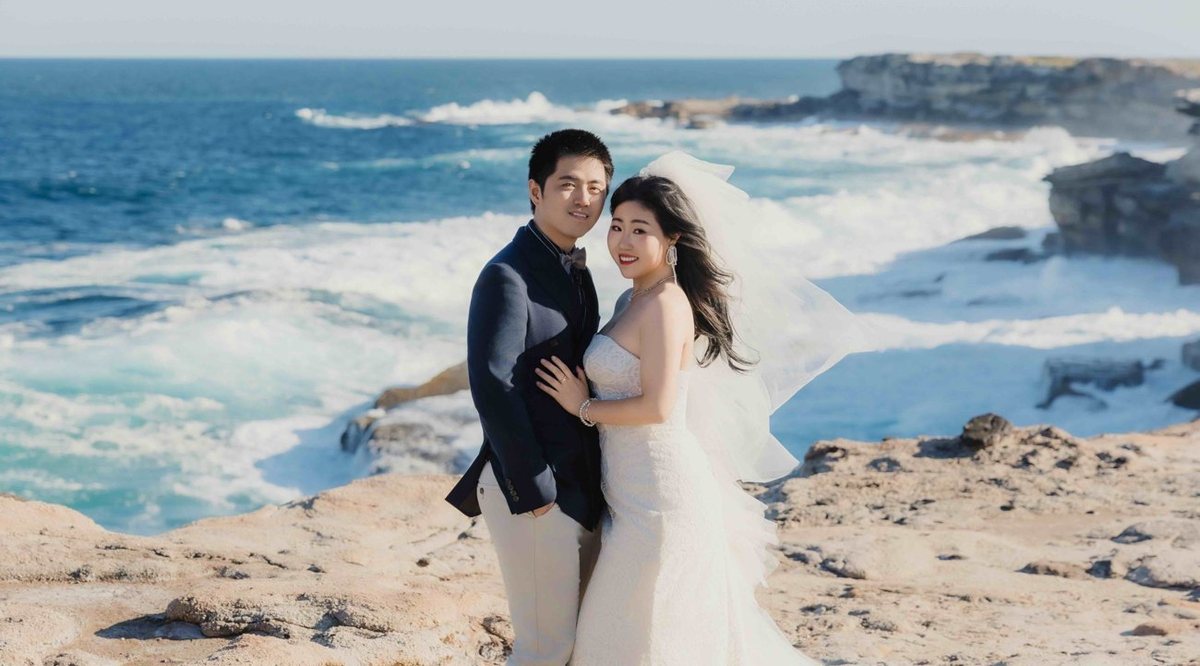
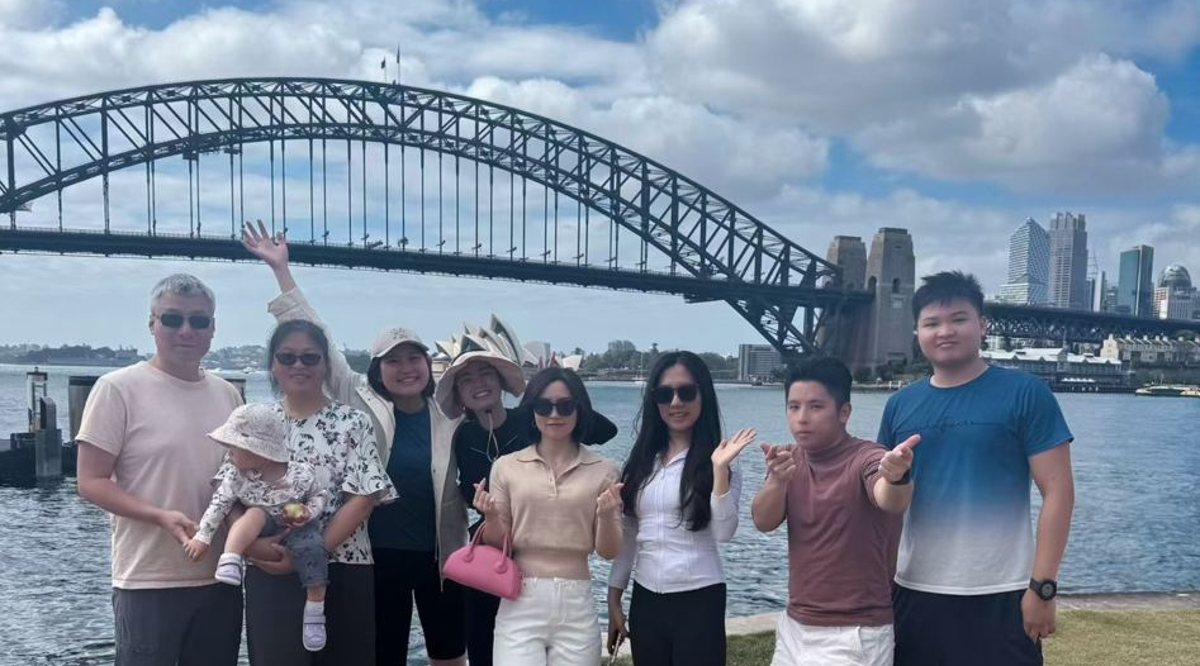
"I'll think about it once my PR comes through." Our consultants hear this line often: from graduates in Sydney on a temporary graduate visa, from people who have worked in Toronto for three years and are waiting on a provincial nomination, from people in Melbourne who have already changed sponsoring employers twice.
When your status is not settled, much of life seems to go on hold: which city to live in, whether to buy a home, when to change jobs. Love gets filed under "later" too. Others go the opposite way and hope that finding a partner who already has status will solve everything at once.
We understand both. How can you approach love during these unsettled years so that the two parts of your life do not drag each other down? We have met many members in this position, and here is our view, drawing on several findings from relationship science.
Why dating is harder while your visa is pending
Visa uncertainty takes up mental space. In their 2013 book Scarcity, economist Sendhil Mullainathan and Princeton psychologist Eldar Shafir describe what happens when we are short of something that matters, whether money or time: it captures our attention, and everything else is pushed out of view. They call this "tunneling."
For many overseas Chinese, the visa is that tunnel. You check your inbox several times a day for news from immigration, and every policy change sends you back to recalculating your points. In this state it is hard to relax on a date. Part of your mind is on next week's English test, and when your date casually asks, "Are you planning to stay here long term?" your chest tightens.
Stress also travels into relationships. Following newlywed couples, researchers Lisa Neff and Benjamin Karney found that during periods of high external stress, people react more strongly to everyday friction with their partner and find it harder to give them the benefit of the doubt (Neff and Karney, 2009). Researchers call this stress spillover. Visa anxiety is exactly this kind of long-running external stress.
Two common choices, each with a cost
While their status is unsettled, people tend to handle love in one of two ways:
Waiting
"I'll date once my visa is sorted"
Waiting keeps you focused, but time does not stop. Going from a student visa to a graduate visa to PR can take years, and some people find themselves in their early thirties by the end of it. By then, social circles have settled and many friends have started families. One more thing is easy to miss: waiting rarely makes anyone better at relationships. Expressing yourself, building trust and working through disagreements are skills you develop with real people.
Letting status choose
"I'll find someone who already has status"
Putting visa status on your list of criteria can look practical, but it can distort the relationship from the start. One person worries about being a stepping stone; the other worries there is an ulterior motive. Neither can fully relax, and the suspicion is unfair to both: most people dating on a temporary visa want exactly what everyone else wants. A gap in status can also create an imbalance. In consultations we often see that the person who needs the relationship more finds it harder to voice their own needs.
There is also a practical reality. Immigration authorities look closely at partner relationships. For an Australian partner visa based on a de facto relationship, the relationship generally needs to have existed for at least 12 months before you apply (with exceptions such as a registered relationship), and the assessment considers financial arrangements, the household, the social side of the relationship and mutual commitment to judge whether it is genuine and continuing. In Canada, common-law partners must have lived together continuously for at least 12 months. None of this can be put together with paperwork; it takes two people genuinely sharing a life for a period of time.
Don't let the visa make your decisions
Scott Stanley and his colleagues at the University of Denver describe the difference between "sliding" and "deciding" (Stanley, Rhoades and Markman, 2006). Many couples move in together without a real conversation; a lease ends, a commute is easier, and they simply slide into it. Once they share a home, breaking up costs more, and a relationship still in its trial phase is carried forward by inertia. Their research in the US found that couples who lived together before engagement, without having talked seriously about the future, reported slightly lower marital satisfaction on average (Rhoades et al., 2009). The researchers see the key as whether the step was a decision both people made deliberately.
Visas create many of these sliding moments: a visa about to expire, a partner visa that needs evidence of living together, a wedding that would settle things sooner. We often tell our members that every step should be one you decide together. Ask yourselves: are we moving in or getting married because we are ready, or because the timeline says so?
Another line of research comes from Leanne Knobloch and Denise Solomon's research on relational uncertainty, which they began publishing in 1999. The less sure people are about where a relationship is going, the more likely they are to read their partner's actions negatively, and the more intense their emotional reactions. An unsettled visa pulls the relationship's future into that uncertainty. Which city will I be in next year? Would my partner come with me? Left unspoken, these questions slowly turn into suspicion.
Dating with an unsettled visa: five things to talk through
Be open about your status early
You do not need to name your visa subclass on a first date. Before you commit to each other, though, let the other person know your current status, the rough timeline and what could change. The earlier you share it, the more freely they can choose, and the calmer you will feel.
Talk about the "what ifs"
What if the visa is refused? What if work takes one of you to another city or another country? What are your answers, and would you move together or consider some time apart? These conversations sound heavy, and they get lighter the earlier you have them.
Give your visa and your relationship separate timelines
Let your visa move at its own pace, with help from a registered migration agent or lawyer, and let the relationship move at its own pace too. Do not move in or marry early because of a visa, and do not put off meeting people because of one.
Status does not make someone a better match
Status is one factor, not the answer. It is part of your life direction and affects where you will live. It cannot replace shared values or how you treat each other day to day, the things that decide how far a relationship goes.
Notice how stress affects you
In the months of waiting for a decision or switching visas, notice whether you are more irritable or sensitive than usual. Telling your partner "I'm under a lot of pressure lately, it isn't about you" can prevent many misunderstandings.
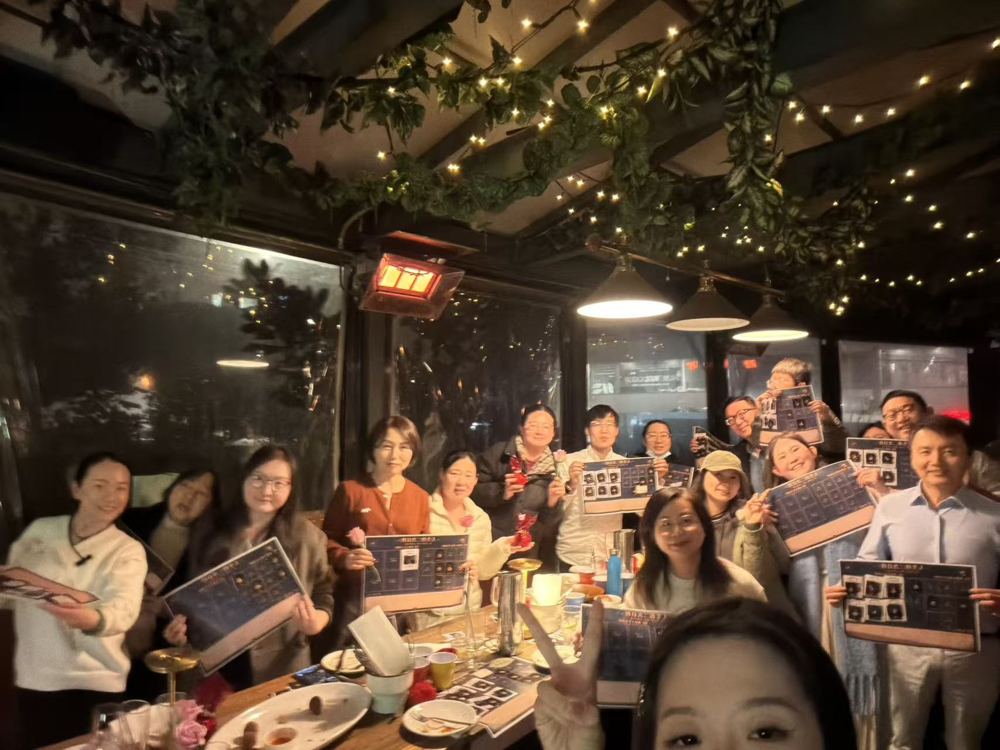
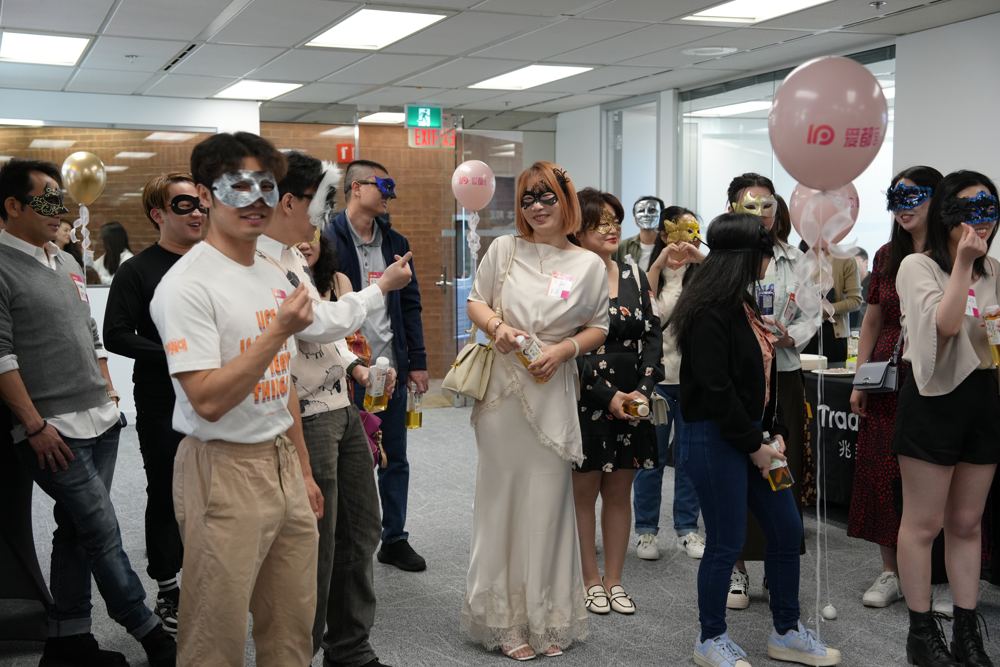
IDO's Relationship Matching Model: is your life direction aligned?
Every introduction made through IDO's Relationship Matching Model considers four dimensions: external factors, values, attachment patterns and life direction. Visa questions sit mainly in life direction: which city you plan to settle in, your career plans, when you hope to start a family, and how your status might change.
In your consultation, your consultant works through these with you. Two people whose life directions are close will find the road ahead much smoother. For example, both may plan to build their lives in Sydney, or both may be willing to move for the right opportunity. When the direction is shared, visa uncertainty becomes something you work out together.
Values shape how you handle the uncertainty. Our values assessment identifies your main orientation in relationships. People who are family-oriented value stability most and often want to decide early where to settle. People who are achievement-oriented care about career growth and may be willing to change cities, or even countries, for an opportunity. Soulmate-oriented people care most about emotional connection, and about whether the two of you can talk things through when life changes.
Attachment patterns matter as well. Attachment research shows that threat and uncertainty activate the attachment system (Mikulincer and Shaver, 2007). People with anxious attachment need more reassurance; people with avoidant attachment tend to carry the weight alone. Knowing your own pattern helps you reach out to your partner when the pressure comes.
IDO RELATE: facing uncertainty as a couple
Dating with an unsettled visa calls for two skills above all: saying the hard things, and communicating well under pressure. Both can be learned.
IDO RELATE™ is our 12-session relationship programme designed for overseas Chinese. It combines relationship science, NLP tools and real IDO cases, and follows the five stages of finding a partner:
- ClaritySeparate what excites you from what you actually need
- ChoosingRead interest accurately and judge fit
- First datesTalk naturally and show who you are
- Moving forwardExpress interest and step out of ambiguity
- BuildingHandle disagreement and create a steady way of being together
The Moving forward and Building stages speak directly to the hardest parts of an unsettled visa: when and how to talk about the future, and how to keep stress from spilling onto your partner. The programme runs alongside one-on-one coaching, so what you learn is used on real dates and reviewed with your consultant afterwards. Learn more about IDO RELATE.
How IDO can help
IDO offers one-on-one dating coaching for overseas Chinese. Our matchmaking consultants work from relationship psychology and relationship science, and stay with you through this stage of finding a partner:
- Clear direction: an in-depth consultation to understand your life direction, values and relationship patterns, followed by introductions through our Relationship Matching Model; we arrange a meeting only when both people agree
- Beyond one city: if work or visa plans may take you elsewhere, we can match across cities and countries, starting with a video introduction
- Meet with confidence: real identity verification and a signed single-status declaration for every member; member events every month in each city. Consultations in our offices or on Zoom, booked 24 hours ahead, evenings and weekends available
To learn about IDO in your city, see Sydney, Melbourne and Toronto.
A final word
Your visa will be resolved one way or another. But who you meet during these years of waiting, and how you learn to build a relationship, will not pause for it. Both deserve care; just don't let one make the decisions for the other. If you would like to talk through your situation, book a one-on-one consultation.
This article is about relationship choices. Visa policies change; for your application, please consult a registered migration agent in Australia, or a licensed immigration consultant or lawyer in Canada.
Frequently asked questions
Should I start dating before my visa is settled?
Yes, as long as you plan your visa and your love life separately. Waiting until your status is settled costs time and social opportunities, while rushing to find a partner with status tends to distort the relationship from the start. Leave the visa to a registered migration agent or lawyer, make each relationship step, such as moving in or marrying, a deliberate decision you make together, and don't put off meeting people while you wait.
When should I tell someone about my visa situation?
You do not need to on a first date, but ideally before you commit to each other. Share your current status, rough timeline and what could change, then talk about what you would both do if the visa is refused or one of you has to move. The earlier you share, the freer both of your choices.
Is a relationship more stable if my partner has PR or citizenship?
Not necessarily. Status affects where you will live and is part of your life direction. Whether a relationship lasts depends more on values, attachment patterns and how two people treat each other. Making status your top criterion can breed mutual suspicion and create an imbalance in the relationship.
What do Australian and Canadian partner visas require of a relationship?
For an Australian partner visa based on a de facto relationship, the relationship generally needs to have existed for at least 12 months before applying (with exceptions such as a registered relationship), and the assessment considers financial arrangements, the household, social aspects and mutual commitment. In Canada, common-law partners must have lived together continuously for at least 12 months. Policies change, so please consult a registered migration agent, licensed immigration consultant or lawyer.
How does IDO's matching model account for visas and cities?
IDO's Relationship Matching Model considers four dimensions: external factors, values (family-oriented, achievement-oriented, soulmate), attachment patterns and life direction. Visa and city plans are part of life direction. In your consultation, your consultant clarifies where you plan to settle, your career and your family timeline, and prioritises people heading the same way; we can also match across cities and countries.
Where does IDO operate in Australia and Canada?
IDO has offices in Sydney, Melbourne and Toronto, and members in other cities can consult on Zoom. Consultations are held in our offices or on Zoom, booked 24 hours ahead, with evenings and weekends available. Every city has member events each month, and we can match across cities and countries. Book a one-on-one consultation on our website to get started.