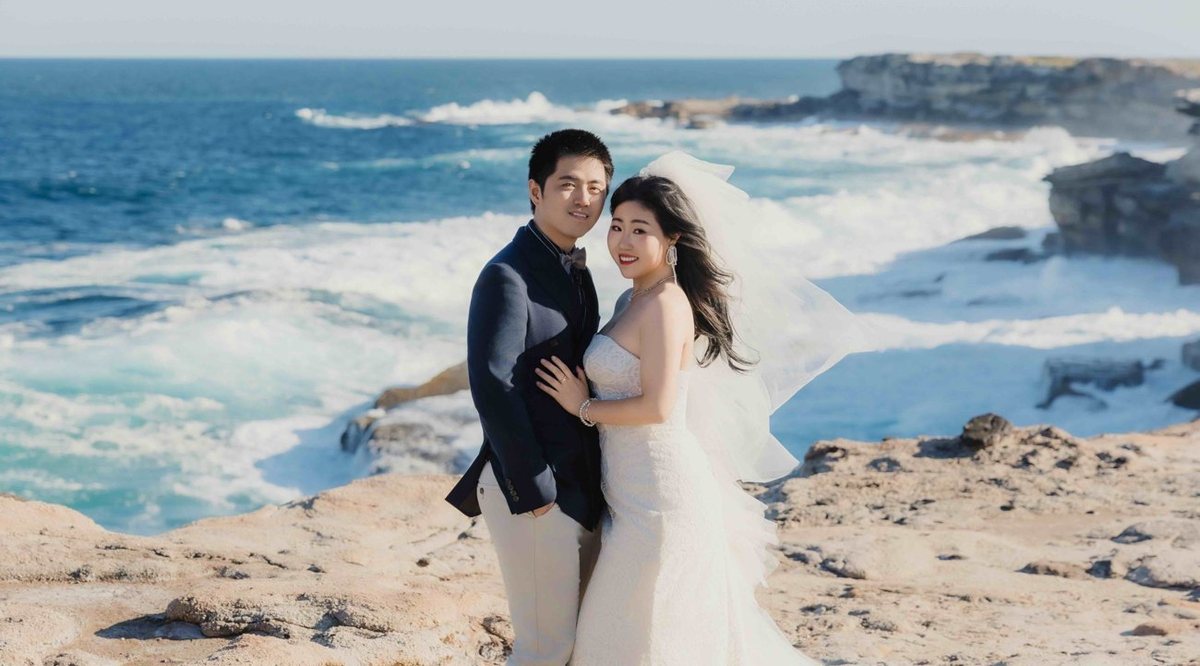

"It's not that I don't want to date. I just never get to meet anyone." People over 30 who come to us for a consultation in Singapore often open this way. The morning is a crowded MRT ride into the CBD or one-north, you rarely leave the office before 8pm, and weekends go to sleep, groceries and video calls with family. Colleagues stay colleagues, most friends are married, and the circle stays the same size.
For Chinese professionals who moved to Singapore from China or Malaysia, the feeling is often stronger. After years of study and work here, most of the people they know come from the office or their university, and there are no parents or relatives nearby to make introductions. Singapore is small, yet life easily shrinks to home and work.
Below, we draw on Singapore statistics and several relationship science studies to explain why long hours and a small circle make meeting people harder over time, and what you can do about it.
The numbers: many want to marry, few have a way in
According to Singapore's Department of Statistics, the median age at first marriage in 2024 was 31.1 for grooms and 29.6 for brides, up from 30.2 and 28.2 a decade earlier. The 2025 General Household Survey found that among resident men aged 30 to 34, the share who had never married rose from 41.9% in 2020 to 47.6%. Among Chinese residents aged 30 to 39, 38% of men and 30.7% of women had never married.
A rise in singles does not mean fewer people want to marry. The government's 2021 Marriage and Parenthood Survey interviewed more than two thousand single residents. Among singles aged 21 to 35, 80% intended to marry. Yet half of all single respondents were not dating at the time. The top three reasons they gave were a limited social circle (58%), few opportunities to meet potential partners (57%), and a preference to leave it to chance (48%).
This matches what we hear in consultations. Most people have a fair sense of themselves and what they want in a relationship. What they lack is chances to meet new people, and a way to fit the search into their lives.
Why busier work means a smaller circle
The first reason is that you keep running into the same people. In 1950, social psychologist Leon Festinger and his colleagues studied a housing complex for married students at MIT. Friendships depended heavily on how close people lived: next-door neighbours were far more likely to become friends than residents a few doors away. A large body of later research supports the same pattern. Who we grow close to depends a great deal on who we run into every day.
Once you are working, the people you run into every day are mostly the same, at work and near home. Many people prefer not to date colleagues, which leaves very few natural chances to meet someone new.
Time is the second reason. Communication researcher Jeffrey Hall estimated in 2019 that it takes around 50 hours together to go from acquaintance to casual friend, about 90 hours to become friends, and more than 200 hours to become close friends. His study was about friendship, but the principle carries over to romance: closeness takes time. If you work long hours, you have little time to give someone new. Spread it across too many people and none of the connections can deepen.
The third reason is the loss of "weak ties". Sociologist Mark Granovetter argued in 1973 that new information and opportunities, such as job leads, tend to come through weak ties: classmates you are not close to, friends of friends, people you see now and then. Close friends mostly know the same people, so they rarely bring new faces. The same holds for meeting a partner. The busier we get, the more we keep to a few old friends, weak ties fade, and new people stop coming in.
As for leaving it to chance, Stanford sociologist Michael Rosenfeld and his colleagues analysed how American couples met and found that the share who met through friends fell from about one third in 1995 to about one fifth in 2017. The researchers attribute this mainly to online dating taking over the role friends used to play as go-betweens. That is US data, but for anyone whose circle is already small, relying on friends alone gets harder.
Three common beliefs that can keep you stuck
"I'll start once this project is done"
"After the promotion next year, I'll have more time"
In Singapore, one project usually rolls straight into the next. If dating waits until you are free, it stays at the back of the queue. When time is short, it needs a fixed place in your week.
"I'll wait for friends to introduce someone"
"If my friends know someone suitable, they'll tell me"
Friends are happy to help, but the people they know overlap heavily with the people you know. Once your circle settles, the introductions run out quickly. Meeting new people takes new settings.
"Dates should be efficient"
"Time is precious. Half an hour tells me enough"
Efficiency is a good habit at work, but it can mislead you when meeting people. Nerves and the wrong topics are common on a first date. It is not unusual for two people to feel little on a first date and grow close later.
Five things worth doing when you are busy
Put dating in your calendar
Psychologist Peter Gollwitzer's research shows that deciding in advance when, where and how you will act makes you more likely to follow through than a general intention. Instead of "I should get out more", decide: one weekday evening every two weeks and one weekend afternoon a month for meeting people or going to events, and treat them like important meetings you do not cancel lightly.
Reopen your weak ties
Tell a few friends you trust that you are seriously looking, and what kind of person you hope to meet. Join an alumni association, a hometown association, a book club or a sports group. Each brings a few new faces, with far less pressure than a blind date. You do not need many. You need them regularly.
Choose vetted ways to meet
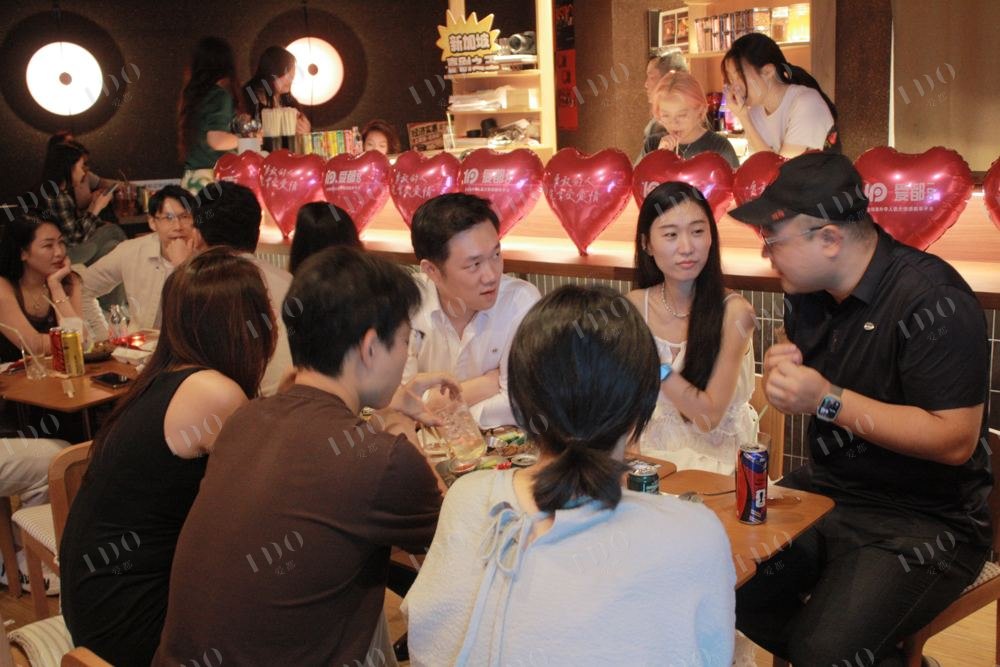
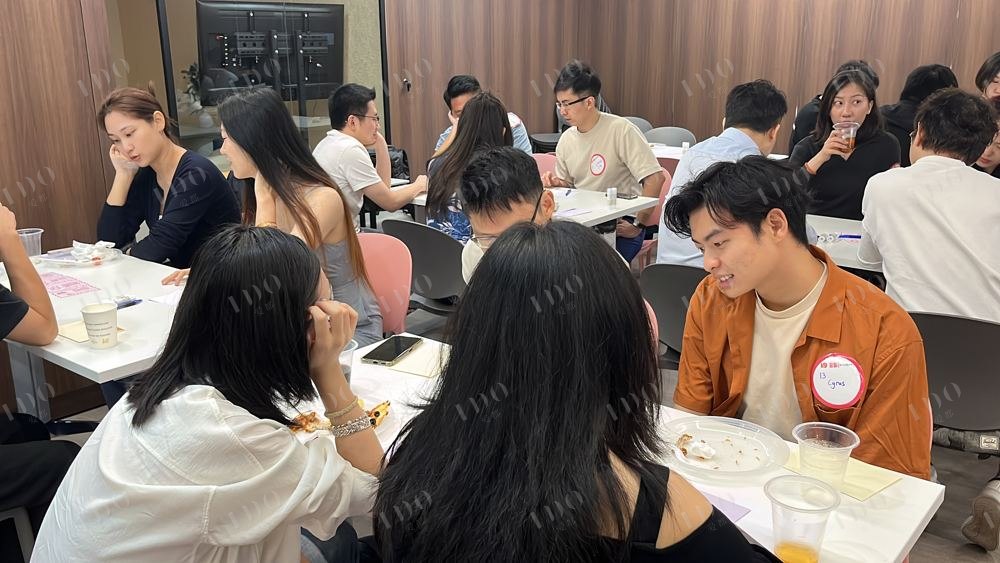
When time is scarce, the worst outcome is spending an evening only to learn the other person is not serious. Events and matching services with identity verification, screening and introductions filter out some unsuitable matches first, and both people arrive knowing the other is serious.
Give one person enough time
Chatting with too many people at once keeps every connection shallow. When you meet someone you like, focus your time and see them a few more times before looking further. If there was no spark on the first date and no obvious problem, meet a second and third time before deciding.
Widen the search a little
Singapore is small, but you do not have to search within one circle. Meet people from different industries and backgrounds, and consider Chinese professionals working in other cities, getting to know them first by video. What matters is whether the two of you see the same future, including where you want to live.
IDO's relationship matching model: making limited time count
Every introduction under IDO's relationship matching model considers four dimensions: external factors, values, attachment style and life path. With little time to spare, you need not spend evenings on meetings that are clearly heading in different directions.
External factors are the foundation. We consider them, but never only them. Values decide whether two people can build a life together. Our values assessment identifies your main orientation in a relationship: family-oriented people care most about family and stability, achievement-oriented people about career and social role, and Soulmate-oriented people about emotional connection and shared inner life. Singapore has many career-driven people, and whether two people rank work and family in a similar order directly shapes how they get along.
Attachment style shapes how two people draw close and handle insecurity. Under work pressure, anxiously attached people need more reassurance and avoidantly attached people want more space. Your matchmaker helps you see your own pattern and understand your partner's. Life path matters especially for people working in Singapore: whether you plan to stay long term or move elsewhere later, when you hope to start a family, and how you will care for your parents. When these point the same way, everything after is easier.
IDO RELATE: turning fewer dates into real progress
When dates are rare, each one is worth preparing for. IDO RELATE™ is our 12-session relationship practice course designed for overseas Chinese. It combines relationship science, NLP tools and real IDO cases across five stages of finding a partner:
- ClarifySeparate what attracts you from what you truly need
- ChooseRead attraction, and judge fit
- MeetTalk naturally and express yourself
- ProgressShow your feelings and move past ambiguity
- SustainWork through disagreements and build a steady rhythm
For people short on time, the most useful stages are "Clarify" and "Progress": know what you want first, and know how to move forward when you meet the right person. The course runs alongside one-to-one relationship coaching, so you use what you learn on real dates and review each one with your matchmaker. See IDO RELATE for details.
How IDO can help
IDO offers one-to-one relationship coaching for singles who are serious about finding a partner. Our matchmakers work from relationship psychology and relationship science, and walk with you through the search:
- Clear direction: an in-depth consultation on your life path, values and relationship patterns, then introductions under our matching model, arranged only when both sides agree
- Meeting new people: member events in Singapore every month, plus cross-city and cross-country matching with video introductions first
- Peace of mind: verified identities, and every member signs a single-status declaration
- Convenient timing: an office in Singapore; book your consultation 24 hours ahead, evenings and weekends available
To learn about our services and events in Singapore, see IDO Singapore, or read about how private matchmaking works.
A final word
Long hours and a small circle are a shared reality for many Chinese professionals in Singapore. They say nothing about whether you are good enough. You do not need to wait until work calms down. Start with the first evening you set aside next month. If you would like to talk through your situation, book a one-to-one consultation.
Frequently asked questions
I work long hours in Singapore and never meet anyone new. What can I do?
Singapore's 2021 Marriage and Parenthood Survey found that singles who were not dating most often cited a limited social circle (58%) and few opportunities to meet people (57%). Put dating in your calendar, for example one evening every two weeks for meeting people or attending events, and reopen weak ties such as alumni groups and interest clubs so new people come into your life.
At what age do people in Singapore usually marry?
According to Singapore's Department of Statistics, the median age at first marriage in 2024 was 31.1 for grooms and 29.6 for brides. The 2025 General Household Survey found that 38% of Chinese resident men and 30.7% of Chinese resident women aged 30 to 39 had never married. Still looking after 30 is very common in Singapore.
Friends make fewer introductions now. Should I still leave it to chance?
Research shows the share of couples who met through friends has fallen substantially. In our experience, the more settled your circle, the fewer people your friends can introduce. Rather than waiting, create more chances to meet: go to vetted events, tell trusted friends you are serious, or meet people through a matching service.
What should busy people keep in mind when dating?
With little time, avoid chatting shallowly with too many people at once. When you meet someone you like, focus your time and see them a few more times. If there is no spark at first and no obvious problem, meet a second and third time before deciding. Research shows closeness builds gradually.
How does IDO's matching model help busy professionals?
IDO's relationship matching model introduces people based on four dimensions: external factors, values (family-oriented, achievement-oriented, Soulmate), attachment style and life path, and arranges a meeting only when both sides agree. With limited time, you need not spend evenings on meetings that are clearly heading in different directions.
How do I book a consultation with IDO in Singapore?
IDO has an office in Singapore. Book your consultation 24 hours ahead; evenings and weekends are available. Book a one-to-one consultation on our website and a matchmaker will contact you to arrange a time.